Find: 257
23:48, 21 March 2025
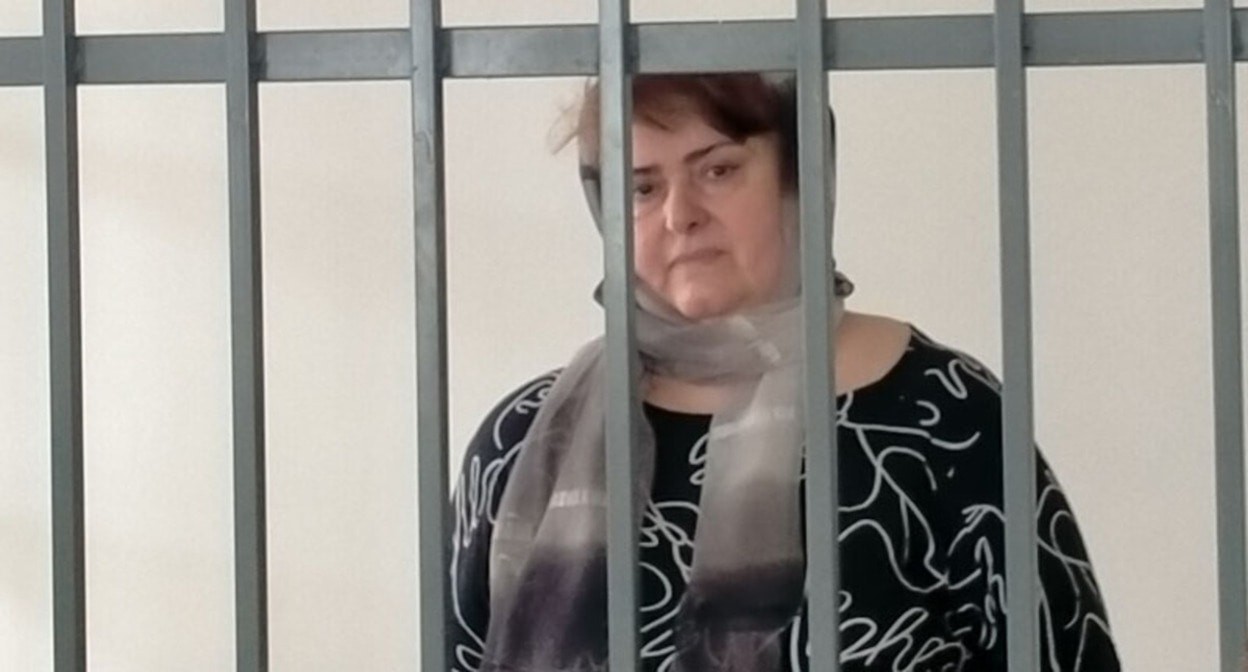
At the first hearing in the case on disorganization of the operation of the penal colony, Zarema Musaeva refused to admit guilt. The Shali City Court extended her arrest for six months.
21:18, 21 February 2025
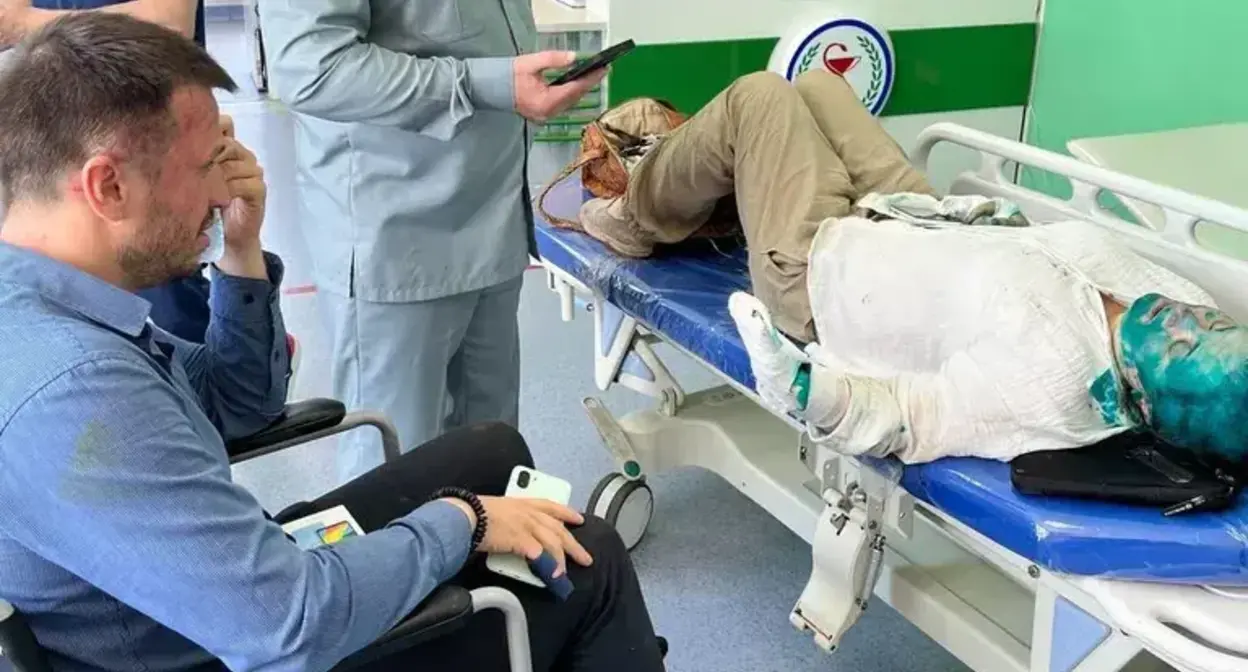
In Chechnya, investigators have not been able to identify the people who attacked journalist Elena Milashina and lawyer Alexander Nemov.
23:55, 20 February 2025
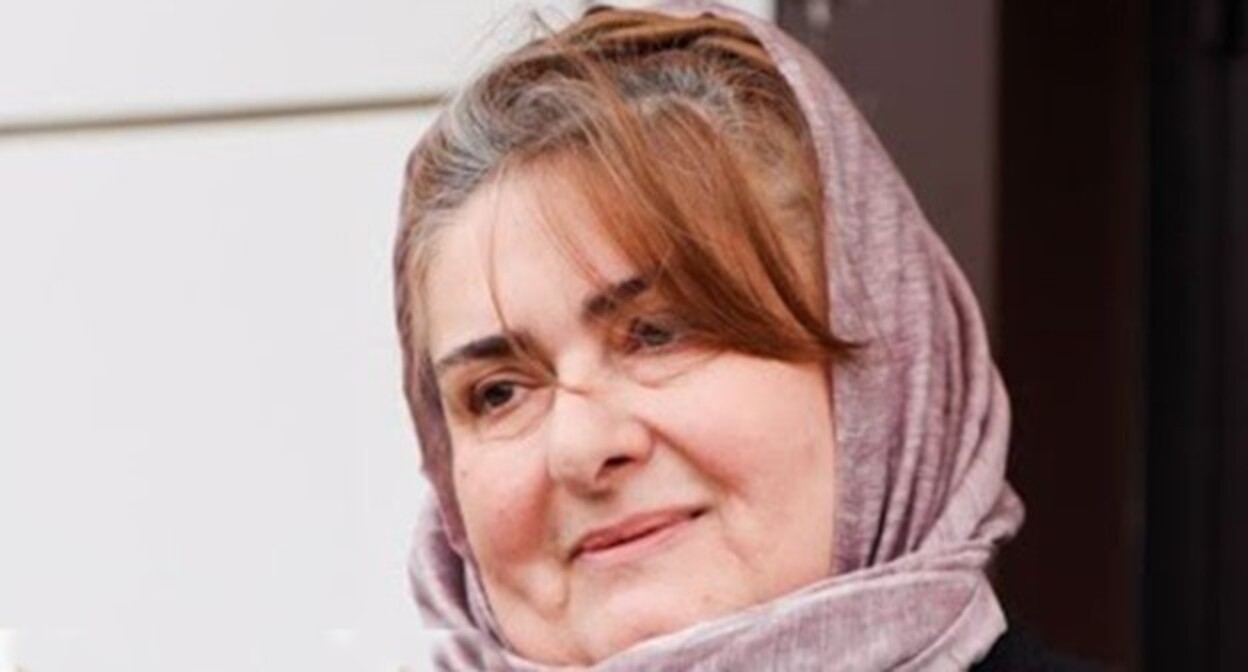
A court in Grozny has extended Zarema Musaeva's arrest until March 26 under a criminal case on disrupting the work of a penal colony. Meanwhile, her sentence under the first criminal case was due to terminate on March 23, the "Team against Torture" (TaT)* has informed.
23:58, 10 February 2025
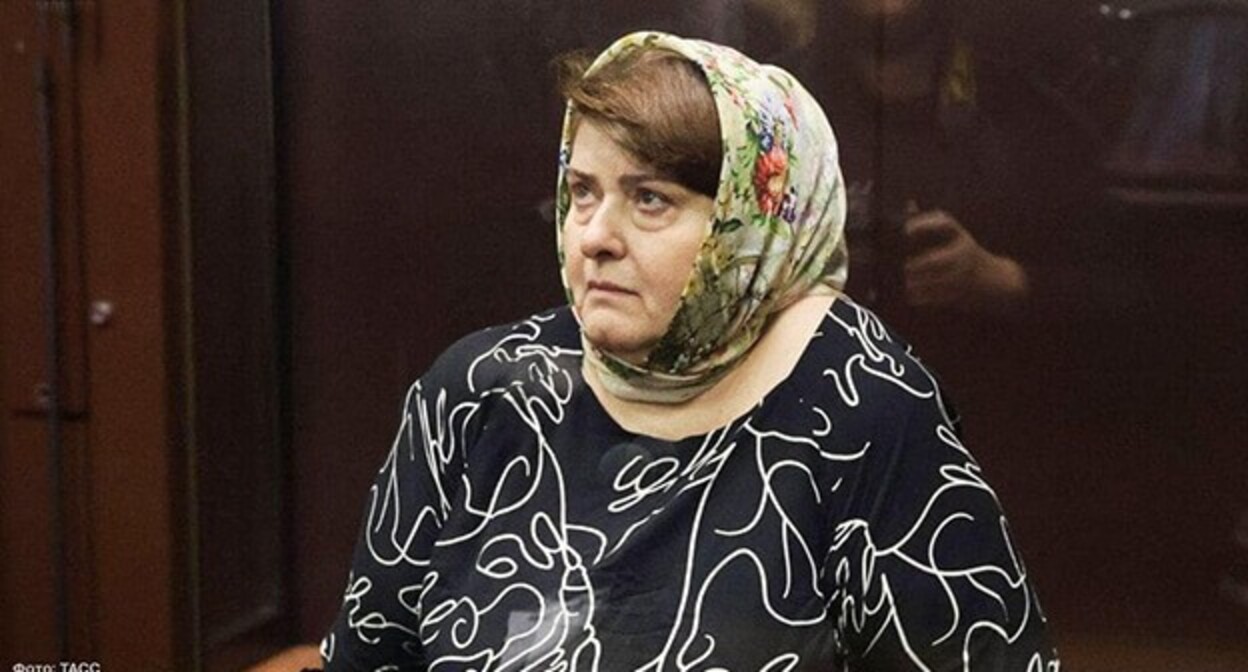
The Supreme Court (SC) of Chechnya has left Zarema Musaeva in custody within the case of disorganizing the work of the colony.
20:49, 30 January 2025
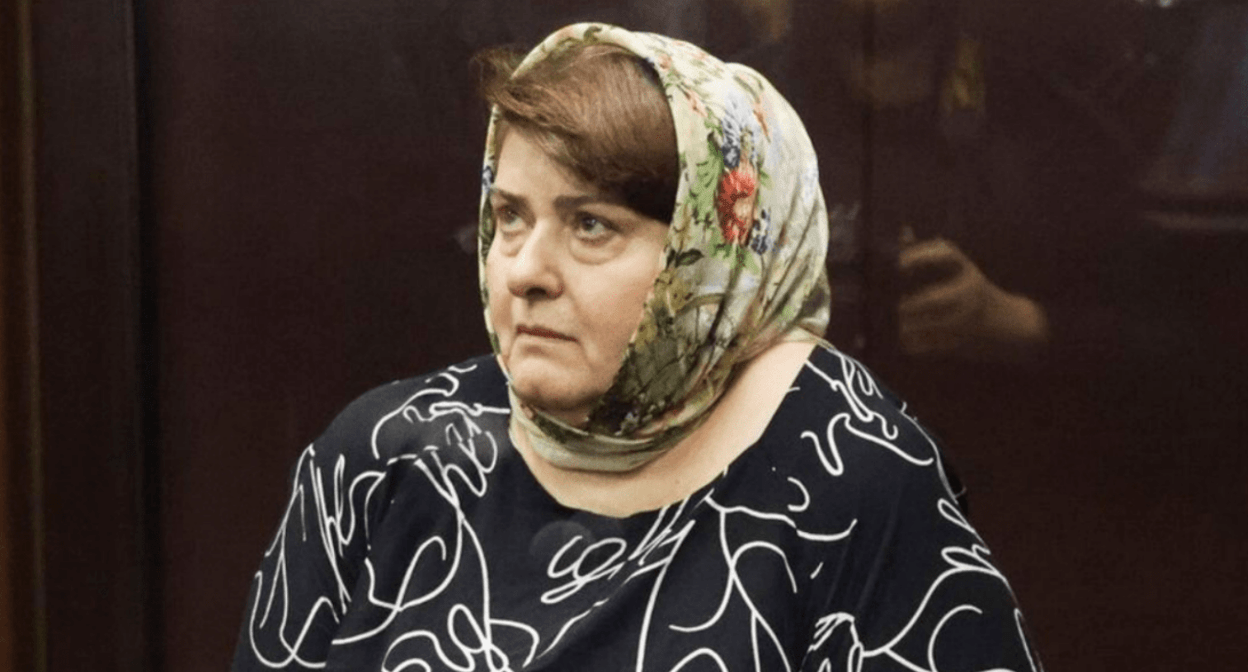
A court in Grozny has extended the arrest of Zarema Musaeva in the case of disrupting the work of the SIZO (pre-trial prison) until February 24, 2025.
22:56, 24 January 2025
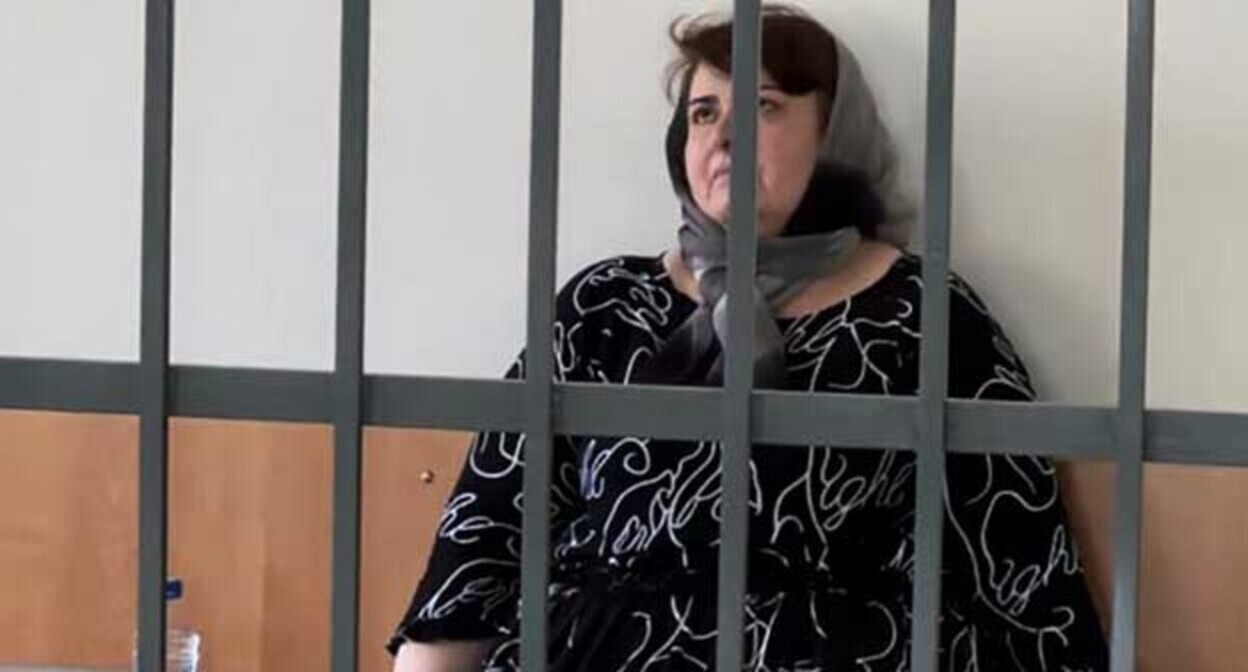
Zarema Musaeva, who is being kept at a SIZO (pre-trial prison) in Grozny, has experienced worsening knee pain.
23:17, 9 January 2025
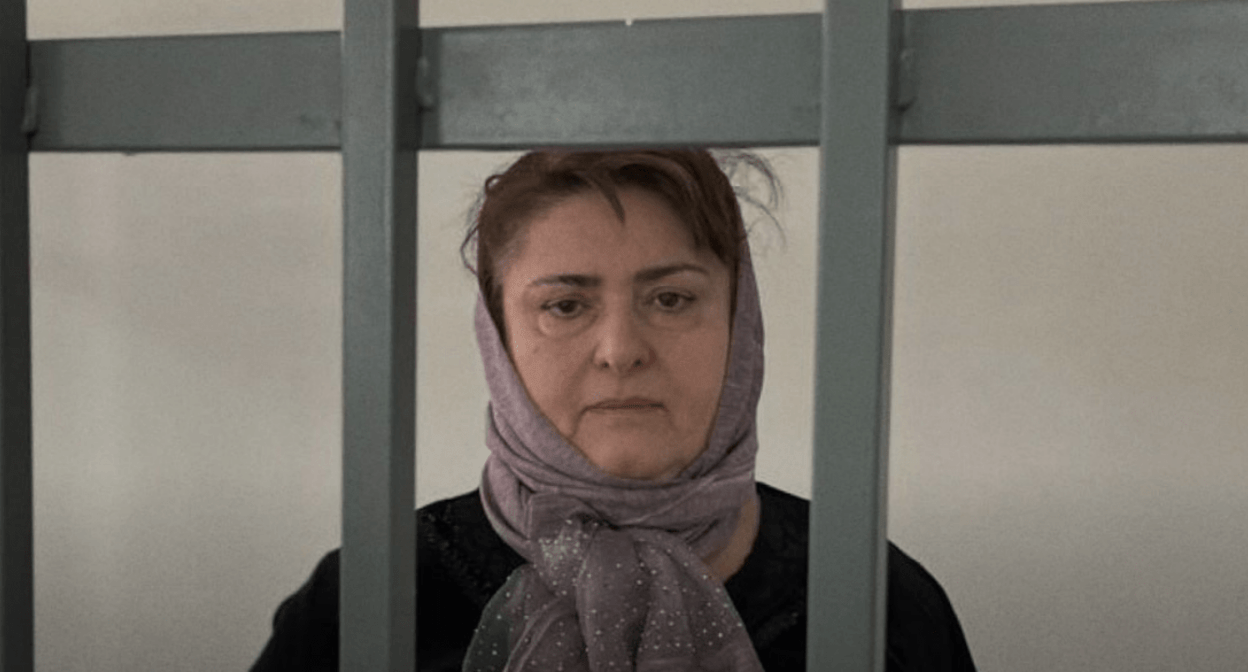
A notification of an advocate an hour and a half before the start of the hearing at the Supreme Court (SC) of Chechnya, which left Zarema Musaeva in custody in the case on disorganization of the activities of the penal colony, violated the equality of the parties and the defendant’s right to defence.
23:56, 26 December 2024
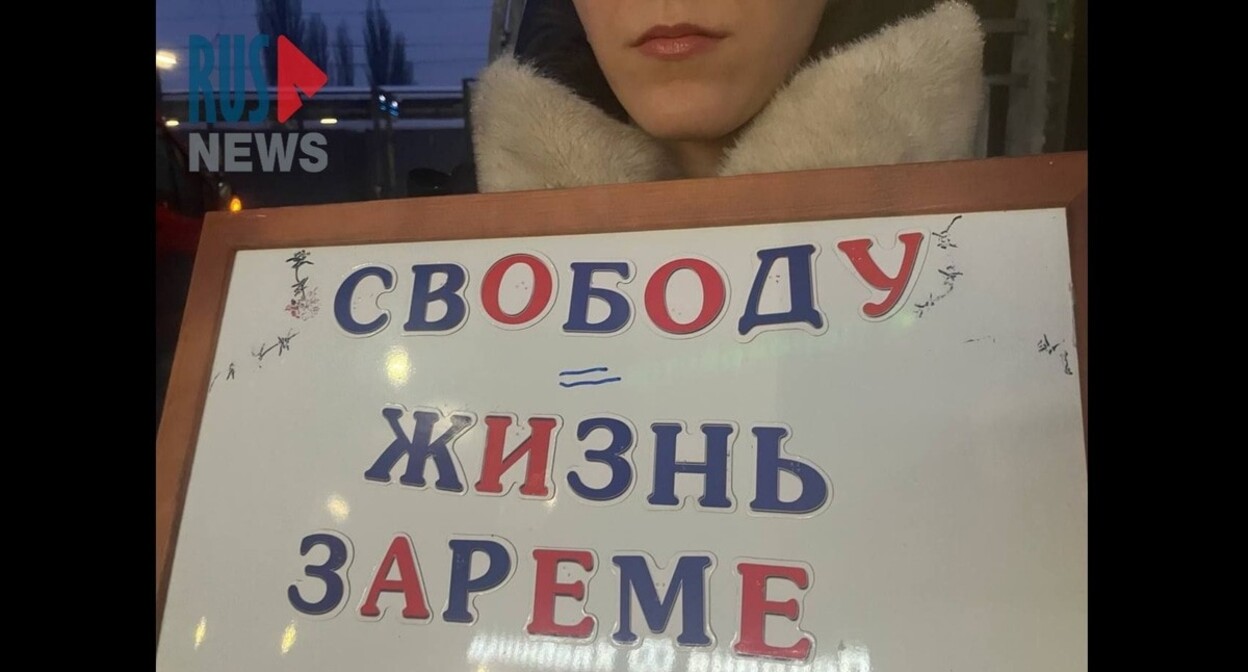
Oksana Osadchaya held a solo picket in the city of Ramenskoye in support of Zarema Musaeva, who was arrested in Chechnya in a new criminal case. The solo picket attracted the attention of passers-by and law enforcers.
12:04, 20 December 2024
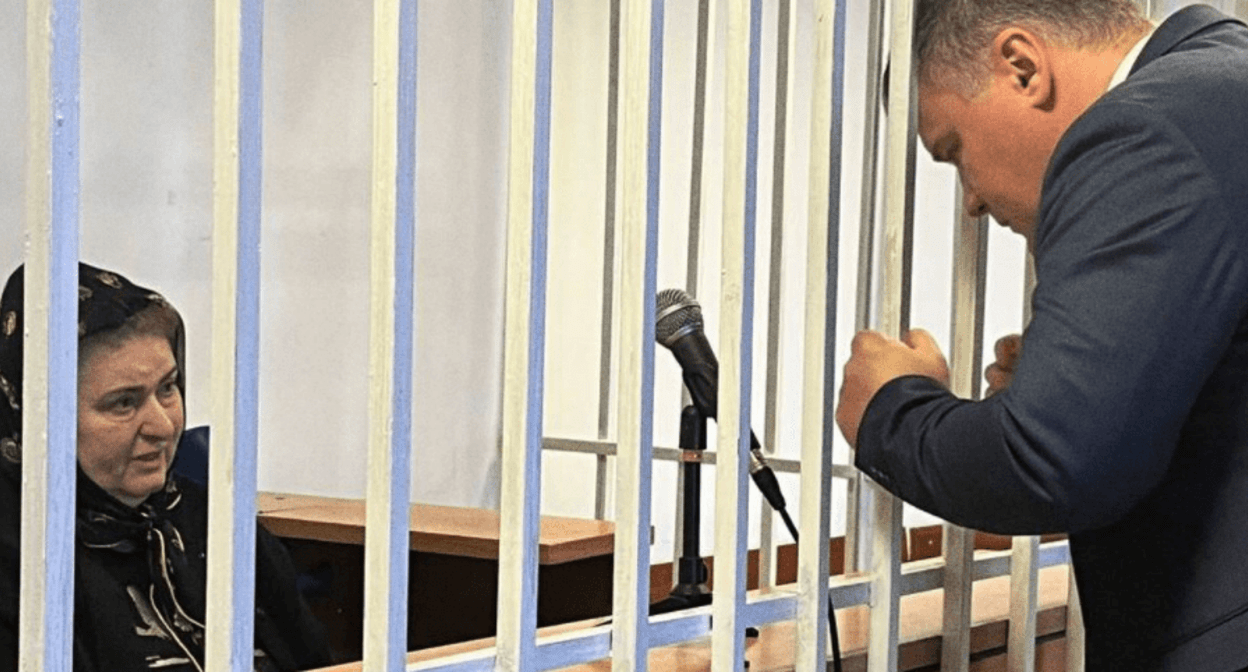
A court in Chechnya has sent Zarema Musaeva into custody within a new criminal case of disrupting the activities of a penal colony. A human rights defender has linked the new case to a social media post placed by one of Musaeva's sons.
23:08, 19 December 2024
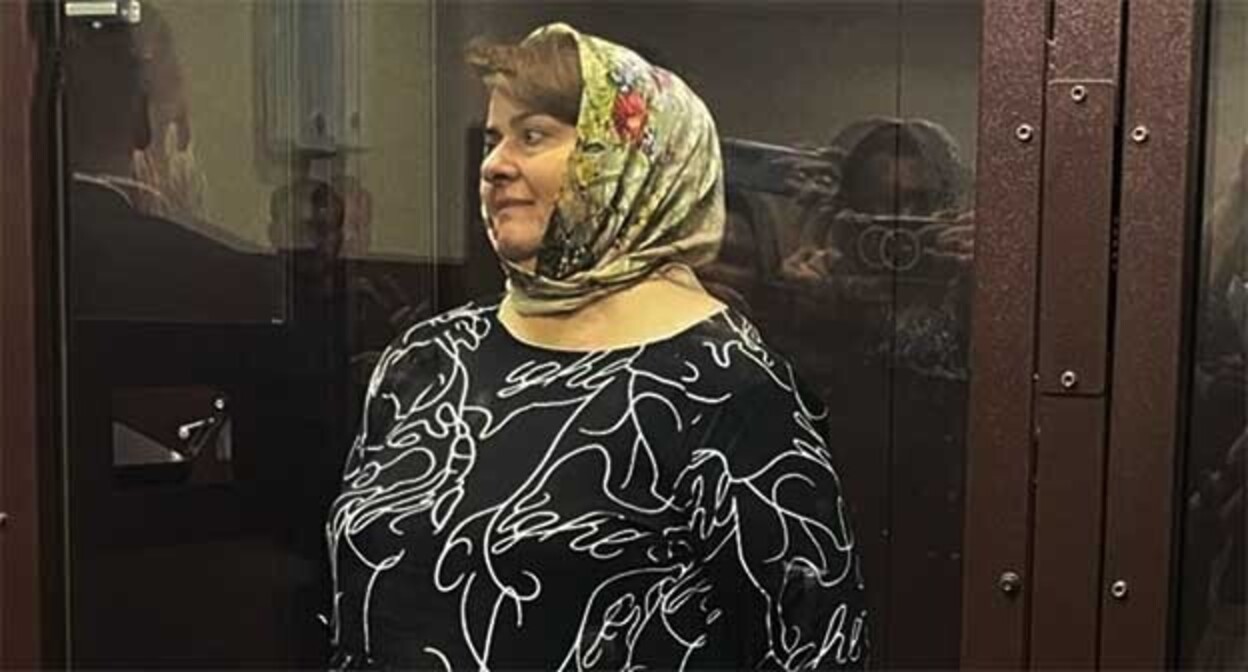
Zarema Musaeva suffers from pain in her legs, but she does not receive medical treatment in a hospital. Human rights defenders believe that the new case on disorganization of the activities of the penal colony is not related to the motion for conditional early relief (CER) for Zarema Musaeva.
23:39, 16 December 2024
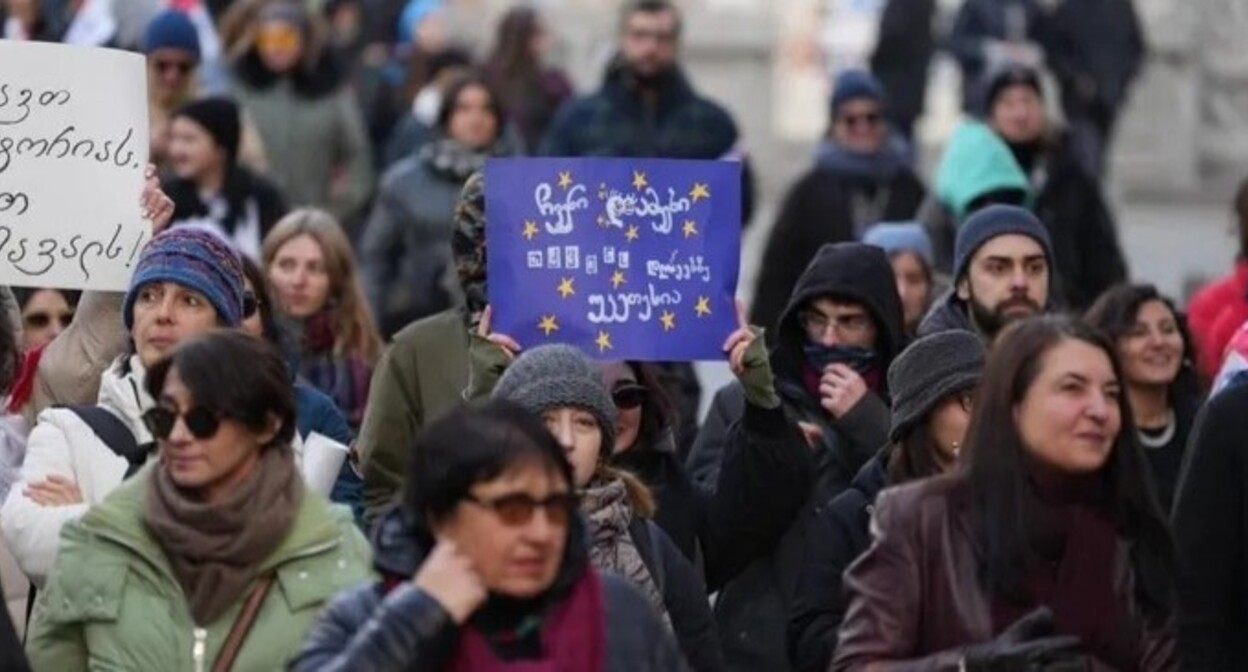
Second president of Georgia and continuation of protests, drone attacks, persecution of pacifists and activists in Southern Russia, Zarema Musaeva’s case, and official data on the natives of Southern Russia who perished in Ukraine, – see the review of these and other events in the Caucasus during the week of December 9-15, 2024, prepared by the “Caucasian Knot”.
- Abkhazia
- Adjaria
- Adygea
- Armenia
- Astrakhan Region
- Azerbaijan
- Chechnya
- Dagestan
- Georgia
- Ingushetia
- Kabardino-Balkaria
- Kalmykia
- Karachay-Cherkessia
- Krasnodar Territory
- North Ossetia-Alania
- Rostov Region
- South Federal District
- South Ossetia
- Stavropol Region
- Volgograd Region

- Incidents
- Politics
- Society
- Echo of Ukrainian events in Caucasus
21:06, 16 December 2024
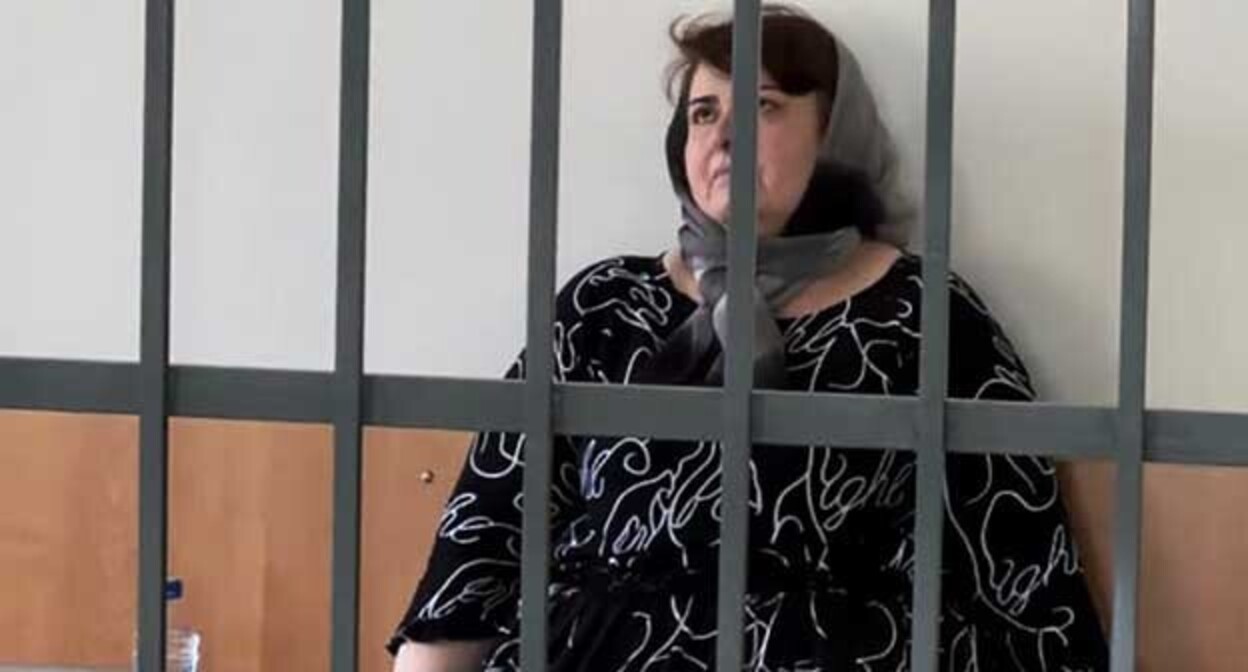
Zarema Musaeva has been accused of disrupting the operation of the penal colony. She faces up to five years of imprisonment.

01:27, 11 December 2024
Six female activists representing public organizations of Chechen natives in Europe held a picket in solidarity with women, victims of repression in Chechnya.
23:07, 23 November 2024
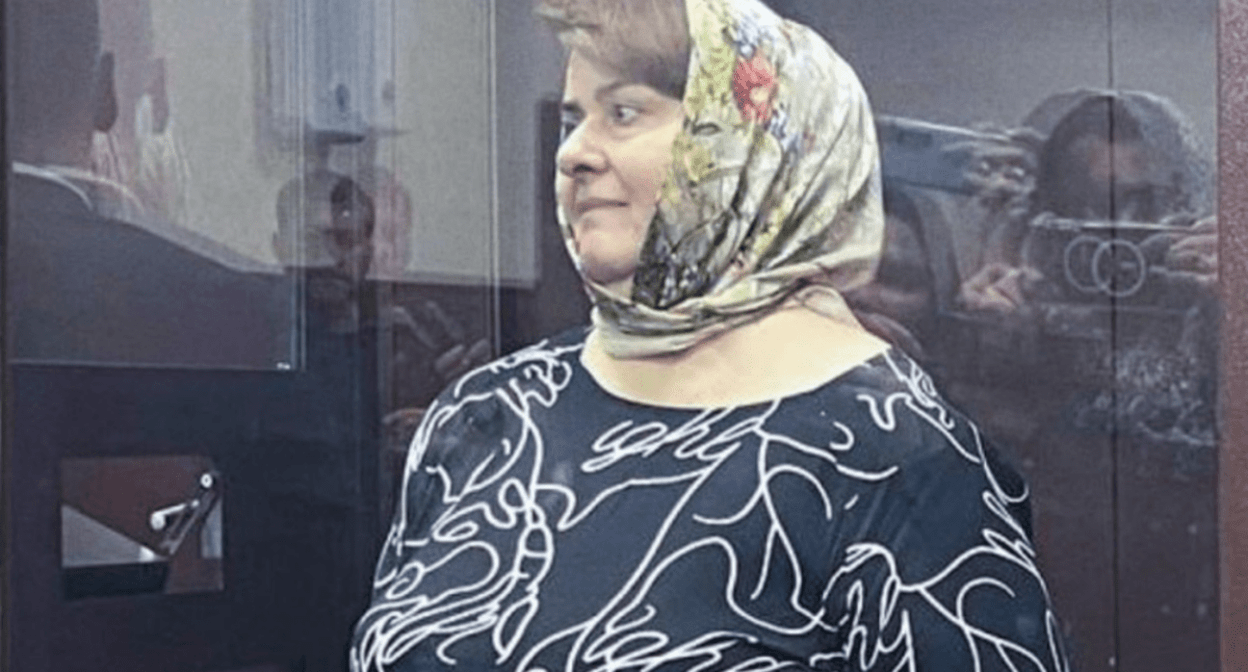
Law enforcers in Chechnya have interrogated Zarema Musaeva for the first time within a criminal case about attacking a prison colony employee; she is a suspect under this case.
23:48, 19 November 2024
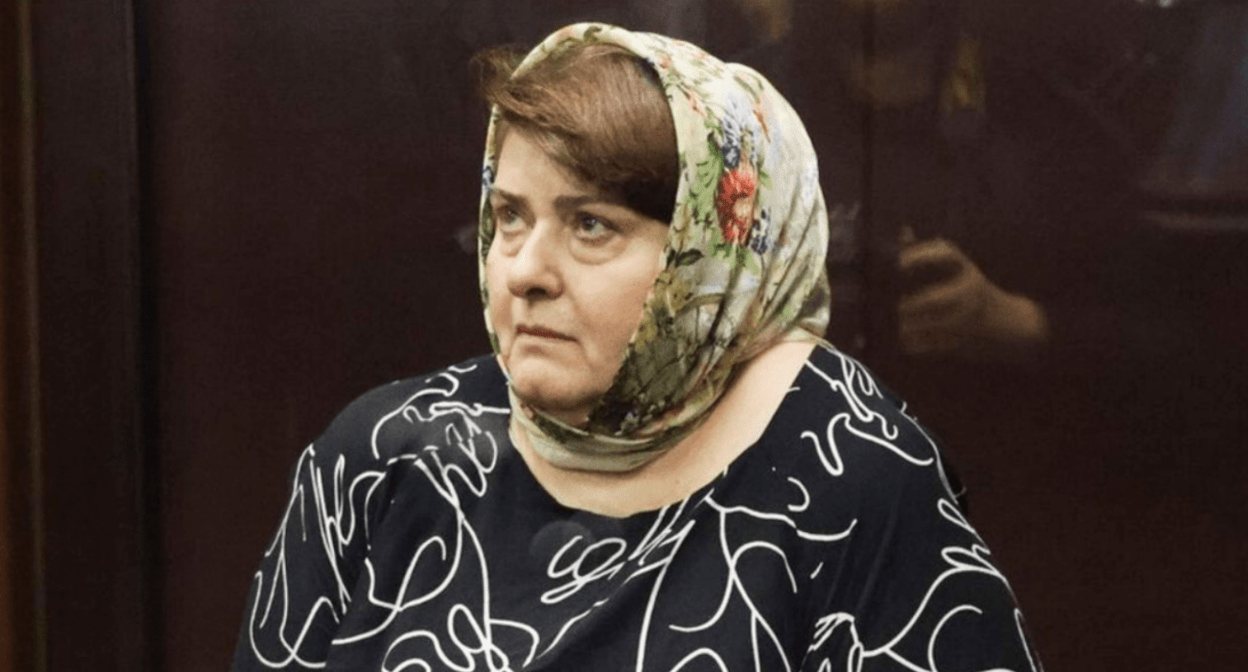
Zarema Musaeva, in volved as a defendant in a new case on an attack on a law enforcer, has been transferred to a SIZO (pre-trial prison) in Grozny. The woman uses crutches to walk, but is not taken to hospital.